
architectural design
As we approach 2026, the field of architectural design is undergoing a profound transformation. Driven by technological advancements and a global shift toward environmental responsibility, the homes and buildings of the near future will be defined by their ability to harmonize with nature while utilizing cutting-edge digital tools. For architects and developers, staying ahead of these trends is not just about aesthetics—it is about establishing authority in a competitive market.
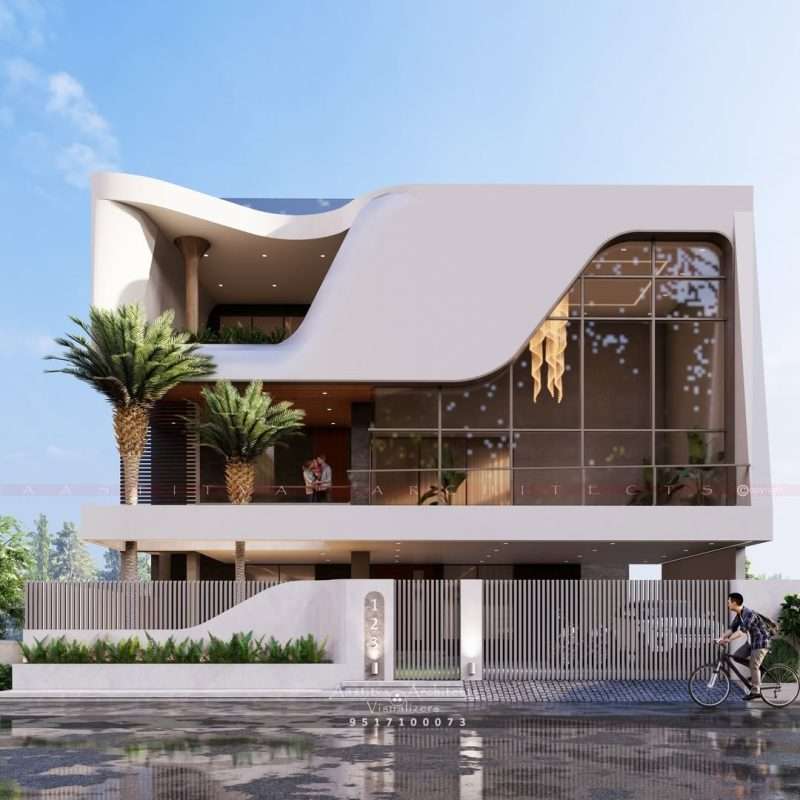
1. Biophilic Integration and Wellness
In 2026, architectural design will move beyond just adding plants to a balcony. True biophilic design involves integrating natural systems into the core of the structure. We are seeing a rise in:
- Internal Courtyards: Bringing the “outside in” to improve air quality and mental well-being.
- Living Facades: Using facade design materials that support vertical gardens, which help with natural insulation and biodiversity.
- Circadian Lighting: Designing spaces that maximize natural light cycles to support the occupants’ health.
2. Adaptive and Flexible “Smart” Spaces
The modern client demands versatility. Contemporary architectural design now focuses on “loose-fit” architecture—structures that can easily be reconfigured. This includes modular walls, convertible rooms that shift from offices to guest suites, and integrated smart-home technology that manages energy consumption automatically.
3. The Shift to Carbon-Neutral Construction
Sustainable architecture is no longer a niche; it is a primary driver of modern design. 2026 will see a significant increase in the use of:
- Mass Timber: An eco-friendly alternative to steel and concrete for larger structures.
- Passive House Standards: Designing for extreme energy efficiency through high-quality insulation and airtight construction.
- Solar Integration: Moving away from bulky panels to “solar tiles” that blend seamlessly into the house elevation design.
4. Designing Through the Lens of Visualization
With the increasing complexity of these trends, architectural visualization has become a mandatory part of the design process. Architects are now using photorealistic architectural rendering not just for final presentations, but as a design tool to test how different sustainable materials and complex geometries interact with natural light. Using exterior rendering services allows a client to experience the “future” of their project, ensuring that the final architectural design meets both aesthetic and functional goals.
Conclusion: Leading the 2026 Wave
The future of architecture is smart, green, and highly visual. By embracing these 2026 trends and utilizing high-end 3D architectural rendering, you can provide your clients with a forward-thinking design that is built for the challenges of tomorrow.