
small house interior design
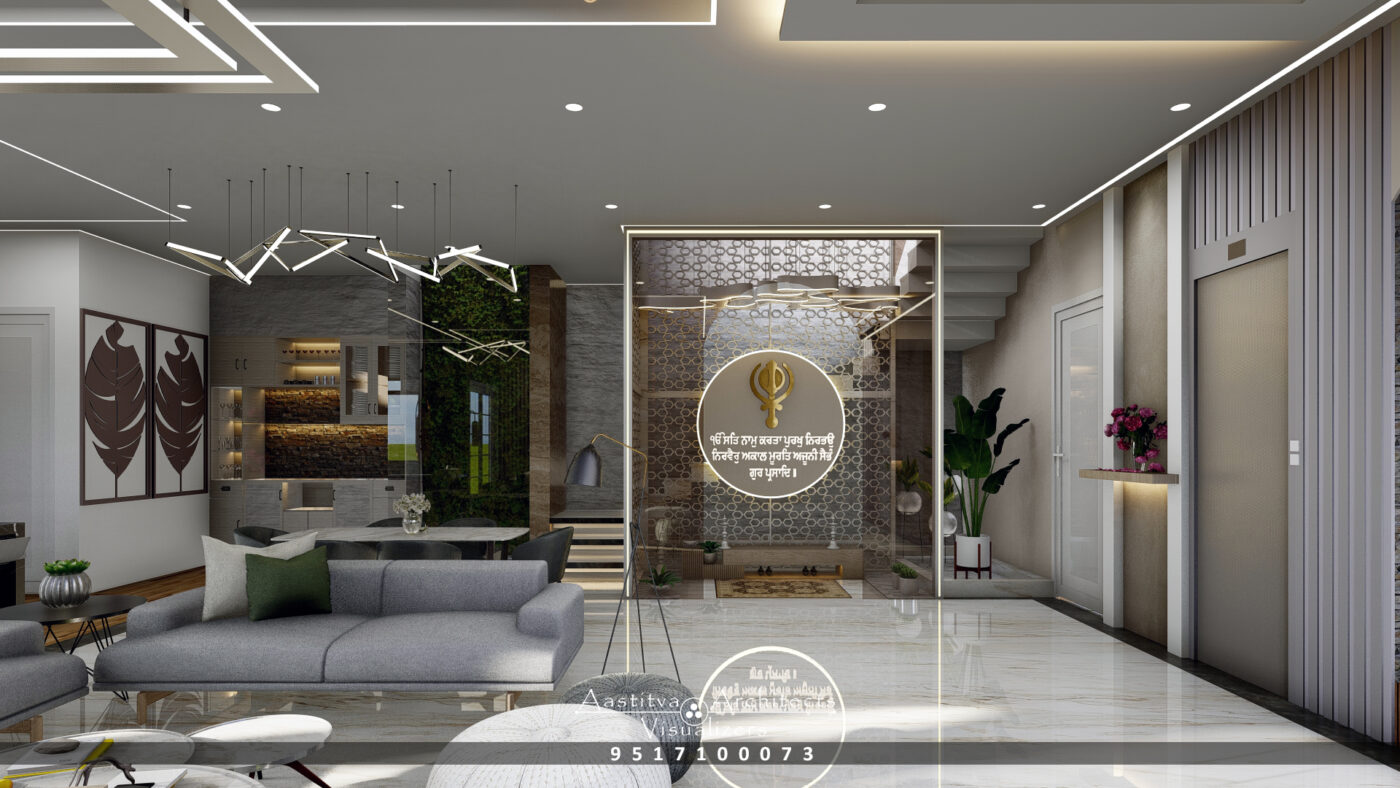
Designing for a compact footprint is one of the most rewarding challenges in modern architecture. In 2026, small house interior design is no longer about “making do” with less space, but about utilizing intelligent engineering and creative aesthetics to make a small home feel expansive and high-end. For homeowners looking to maximize their square footage, these strategies are essential.
1. Multi-Functional Zones and Flexible Layouts
The secret to successful small house interior design lies in flexibility. Instead of rigid walls, use:
- Transformative Furniture: Tables that fold into walls or sofas with integrated storage.
- Visual Dividers: Use different floor textures or open shelving units to define “rooms” without blocking sightlines or natural light.
- Vertical Thinking: Utilize the full height of your walls for storage and decorative elements to draw the eye upward, making the ceiling feel higher.
2. Light Colors and Strategic Mirror Placement
A proven tactic in compact design is the use of a white interior design palette. Light colors reflect more natural light, instantly making a room feel airier. Coupling this with large, strategically placed mirrors can visually double the depth of a narrow hallway or a small living area.
3. The Importance of Custom “Squeezed” Units
Generic furniture often wastes precious inches in a small home. Custom-designed elements are key:
- Modern TV Unit Designs: Opt for wall-mounted, floating units that keep the floor clear, creating an illusion of more space.
- Integrated Wardrobe Designs: Floor-to-ceiling wardrobes built into niches eliminate “dead zones” and provide a seamless look.
4. Visualizing the Fit Before You Build
In a small house, there is zero margin for error. A piece of furniture that is five inches too wide can ruin the flow of a room. This is why interior visualization services are critical for small-scale projects. By using photorealistic architectural rendering, you can test the “walkability” of your floor plan and ensure your material palette doesn’t overwhelm the small space before you commit to construction.
Conclusion: Small Space, Big Impact
Effective small house interior design prioritizes smart solutions over sheer size. By focusing on light, verticality, and precision planning through architectural visualization, you can create a home that feels luxurious, regardless of its dimensions.